Every digital leader I speak with understands, intellectually, that technical debt is slowing them down. They see projects take longer, costs run higher, and innovation grinds to a halt. But what many struggle with is turning that awareness into action. How do you create a concrete plan to reduce technical debt that delivers measurable improvements to your digital transformation efforts, without halting ongoing projects? It’s a question I’ve helped many enterprises answer, and the solution is more strategic than technical.
Technical debt reduction strategy is a planned approach to systematically addressing accumulated technical debt within an organization's systems and applications. A well-defined strategy improves agility, reduces risks, and enhances the overall efficiency of digital transformation initiatives.
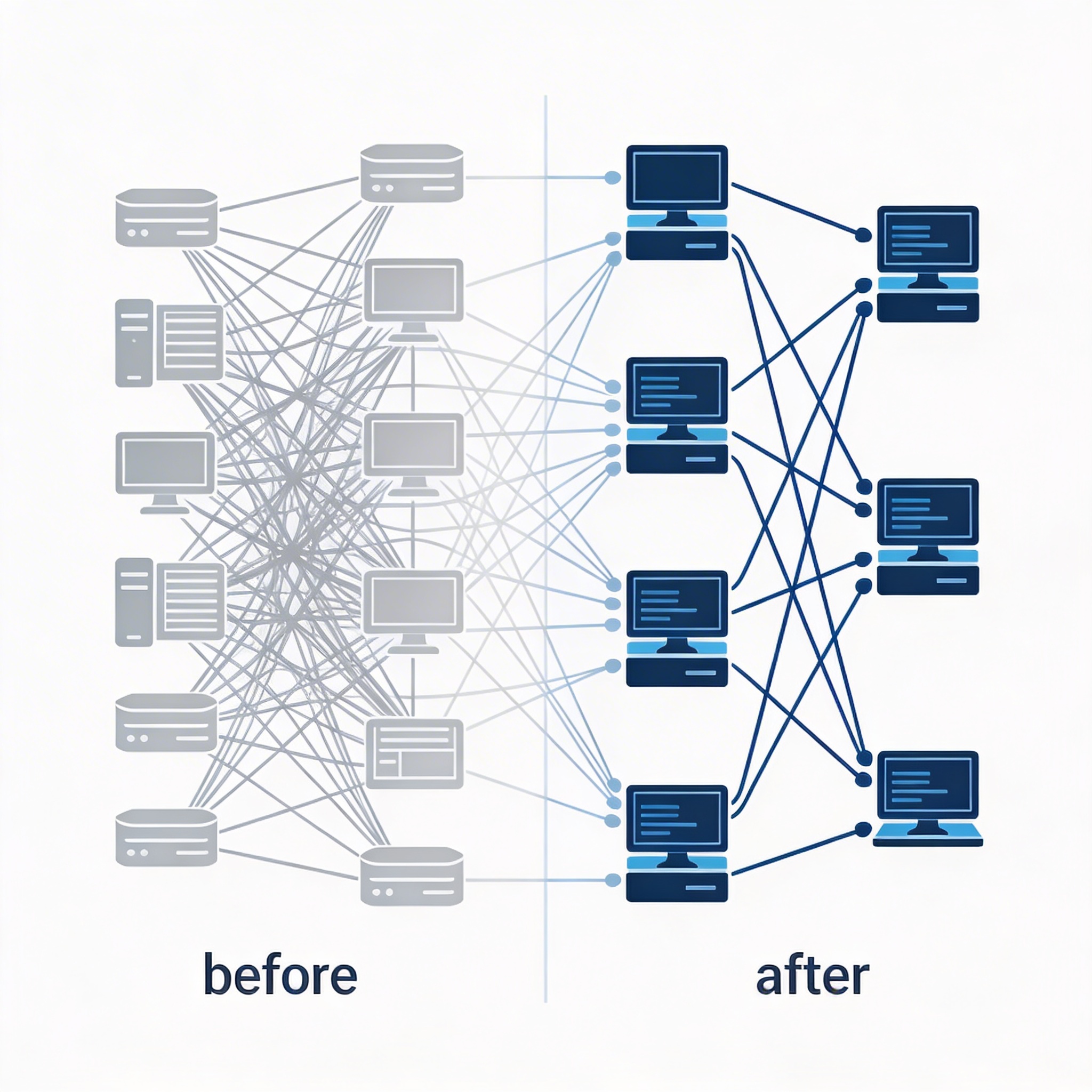
Technical debt reduction: Modernising system architecture for digital transformation success
TL;DR: Enterprises often struggle to translate awareness of technical debt into effective action. A successful technical debt reduction strategy focuses on incremental improvements, continuous monitoring, and alignment with business goals. Prioritizing high-impact areas and integrating debt reduction into daily workflows are key to maintaining project velocity and achieving long-term ROI.
Why Technical Debt Is a Drag on Digital Transformation
Technical debt becomes a drag on digital transformation because it increases complexity, slows development cycles, and introduces risk. As a Head of Delivery, I've seen firsthand how unchecked debt leads to project delays, higher maintenance costs, and decreased innovation. According to KPMG, 84% of organizations acknowledge having an issue with technical debt, yet many lack concrete plans to address it. This inaction results in inefficient ecosystems that stifle digital initiatives. The truth is technical debt isn't just a technical issue; it’s a business liability that limits an organization’s ability to meet customer’s digital expectations. This requires CIOs and digital leaders to approach the problem proactively, integrating debt reduction strategies into their broader digital transformation roadmaps, and viewing it as a strategic investment, not merely a cost.
Assessing Your Technical Debt Landscape
The first step in any effective plan to reduce technical debt is to understand the current landscape, identifying the types and severity of debt within your systems. I've found that many organizations overlook the full extent of their technical debt, treating it as a hidden cost of IT operations. A comprehensive assessment should evaluate code quality, system architecture, infrastructure, and development processes. This is where AI-powered legacy code translators can be helpful by automating the documentation of hidden dependencies and legacy logic. By mapping out entity relationships and business flows, you can ensure that your debt reduction strategy is based on objective data. The goal is to quantify the impact of technical debt on business agility, security, and innovation. The more visibility you have into the problem, the better equipped you are to prioritize and address it effectively.
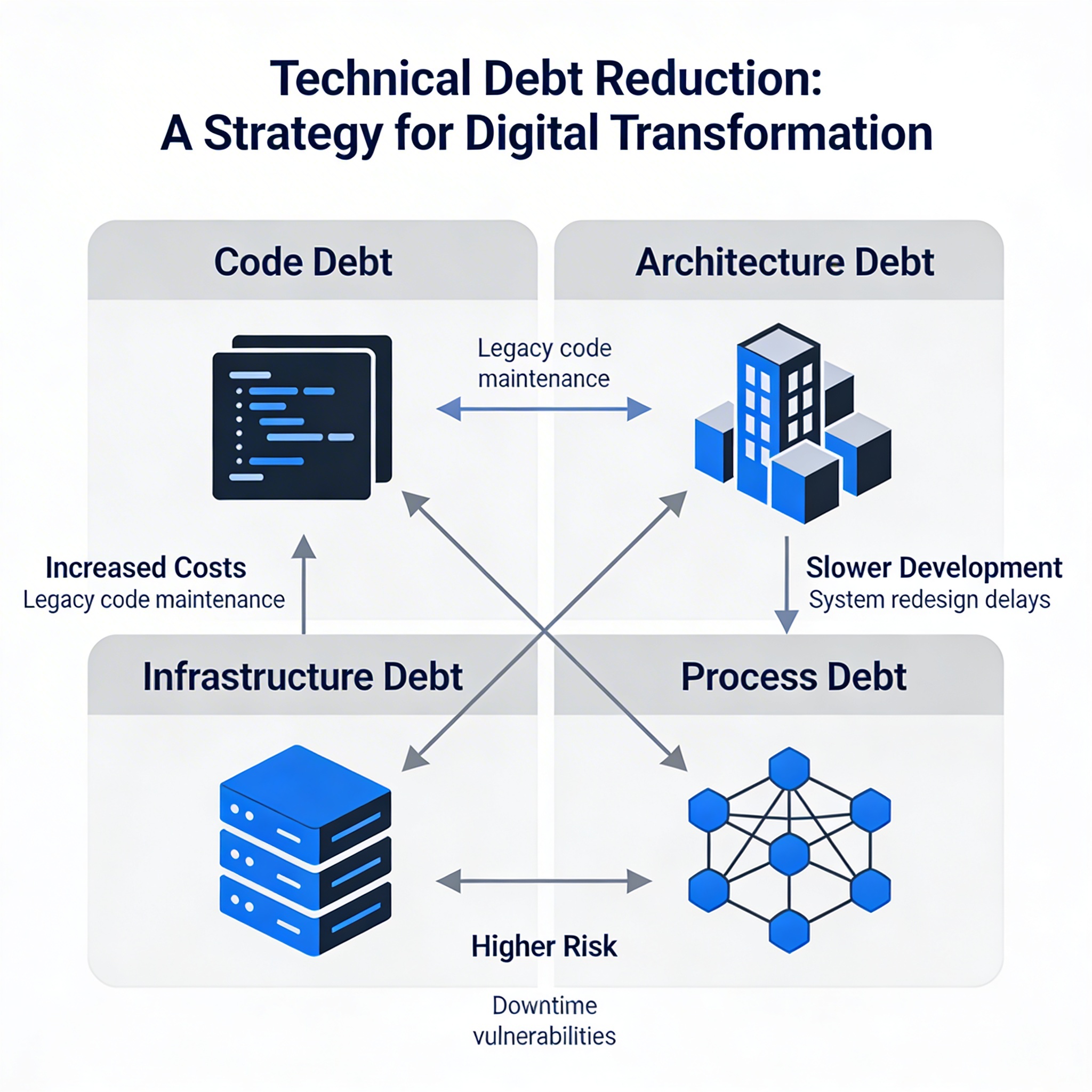
The biggest mistake I see teams make is treating all technical debt equally. The right approach is to focus ruthlessly on the debt that actively blocks strategic initiatives, not just the debt that feels aesthetically displeasing.
Integrating Technical Debt Reduction Into Daily Workflows
Technical debt reduction should not be a one-time cleanup project; it must be integrated into daily workflows to prevent new debt from accumulating and ensure continuous improvement. From what I've observed, the most successful teams allocate a portion of each sprint to address technical debt, treating it as seriously as feature development. ElifTech recommends reserving 15-25% of each sprint for debt reduction. This approach helps prevent technical debt from becoming an overwhelming burden. Another best practice is to establish coding standards, conduct regular code reviews, and implement automated testing to catch and address issues early in the development lifecycle. Agentic workspaces, as highlighted by Sweep.io, can also simulate, validate, and govern changes before deployment, preventing any existing fragmentation from amplifying. By making debt reduction a part of the daily routine, organizations can maintain a healthy codebase and ensure long-term agility.
StrategyDescriptionBenefitsChallengesDedicated SprintsAllocate specific sprints for refactoring and debt reduction.Prevents debt from becoming overwhelming, allows focused effort.Requires careful planning and prioritization, may delay new feature development.Coding StandardsEstablish and enforce coding standards and best practices.Reduces the likelihood of introducing new debt, improves code maintainability.Requires initial investment in defining standards, may face resistance from developers.Automated TestingImplement automated testing to catch and address issues early.Identifies defects quickly, reduces the cost of fixing bugs, improves code quality.Requires investment in test automation tools and infrastructure, tests must be maintained.Code ReviewsConduct regular code reviews to identify and address potential debt.Catches issues early, promotes knowledge sharing, improves code quality.Requires dedicated time from developers, can be time-consuming if not well-managed.
The best use of AI for technical debt is not to blindly refactor code, but to provide better visibility into the codebase and automate the tedious parts of remediation, freeing up engineers for higher-level tasks.
Looking to accelerate your engineering delivery? Wednesday Solutions our services service helps engineering teams ship faster and more reliably.
Effective technical debt reduction isn't just about tackling the most obvious or painful issues. A critical, often overlooked aspect is understanding the source of the debt in the first place. Was it due to time pressure during a critical release? A lack of skilled developers at the time? Poorly defined requirements? Identifying the root causes allows you to implement preventative measures. For example, if tight deadlines consistently lead to shortcuts, you might invest in better project management tools, improved estimation techniques, or even staffing adjustments to ensure adequate time for proper design and implementation. Similarly, if a lack of skills is the culprit, targeted training programs or bringing in experienced consultants can address the underlying problem. A post-mortem analysis of projects where significant technical debt was incurred can be invaluable in uncovering these patterns and informing future strategies. This preventative approach is just as important as actively paying down existing debt because it stops the problem from snowballing.
Prioritization frameworks are crucial for making informed decisions about which technical debt to address first. Beyond simply ranking debt items by severity and impact, consider incorporating a cost of delay (CoD) analysis. CoD quantifies the economic impact of delaying the resolution of a particular debt item. This can be calculated by estimating the lost revenue, increased operational costs, or potential regulatory penalties associated with the delay. For example, a security vulnerability might have a high CoD due to the risk of a data breach and associated fines, even if it's not actively causing problems right now. Another useful framework is the RICE scoring model (Reach, Impact, Confidence, Effort). Reach estimates how many users will be affected by the debt. Impact quantifies the degree of impact on each user. Confidence represents your level of certainty about your Reach and Impact estimates. Effort estimates the resources required to resolve the debt. By combining these frameworks, you create a more holistic view of the debt landscape, enabling you to focus on the issues that deliver the most value with the least amount of effort. Remember, not all technical debt is created equal, and a data-driven prioritization approach is essential for maximizing ROI.
Integrating technical debt reduction into the daily workflow of development teams is essential for sustained progress. This requires more than just occasional "debt sprints." One effective approach is to establish a "boy scout rule" within the team culture: always leave the codebase a little cleaner than you found it. This could involve refactoring a small section of code while working on a new feature, improving documentation, or addressing minor code smells. Another technique is to dedicate a small percentage of each sprint (e.g., 10-20%) specifically to technical debt reduction. This ensures that debt is consistently addressed alongside new feature development. Furthermore, code reviews should explicitly look for potential sources of technical debt, such as overly complex logic, duplicated code, or missing tests. Automated code analysis tools can also be integrated into the CI/CD pipeline to automatically identify code quality issues and enforce coding standards. By weaving debt reduction into the fabric of the development process, teams can gradually improve the codebase without disrupting the flow of new feature development.
Real-World Example: Accelerating a Healthcare Platform with Strategic Debt Reduction
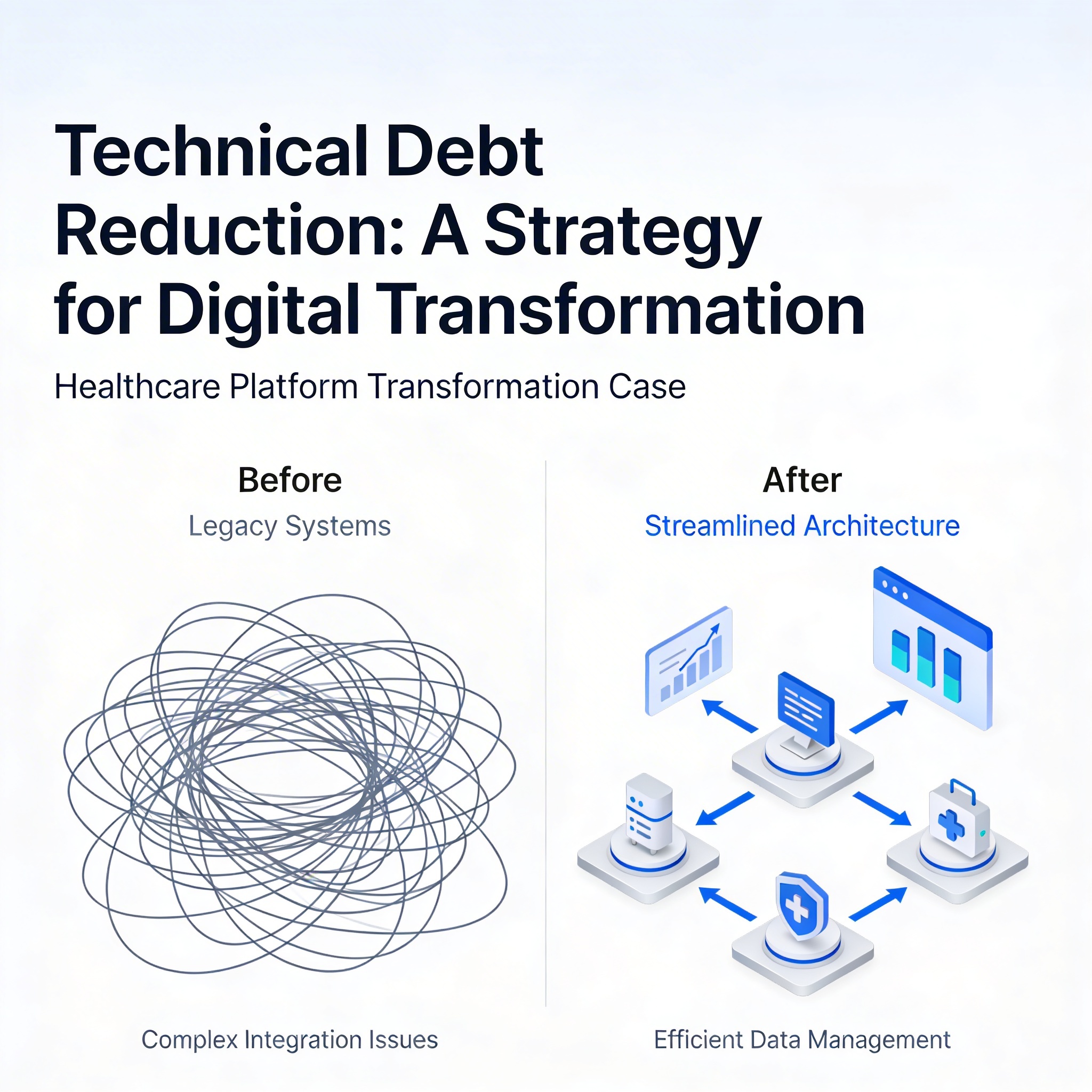
I worked with a healthcare platform that was struggling to scale its services due to a growing backlog of technical debt. The situation was critical: they needed to modernize their data stacks to meet interoperability requirements and improve patient outcomes. The problem was the legacy systems, averaging 15 years old, created massive technical debt and integration challenges. The team was spending over 40% of their time on maintenance, leaving little room for new feature development. We implemented a strategic debt reduction plan that focused on the areas with the greatest impact on scalability and performance. We started by refactoring the core data models, improving data quality, and automating key processes. We also introduced coding standards and automated testing to prevent new debt from accumulating. The results were significant: within six months, the team reduced its maintenance overhead by 30% and accelerated deployment cycles by 50%. According to Integrate.io, successful healthcare transformations yield 124% average ROI through improved outcomes and operational efficiency. This enabled the platform to scale its services, improve patient outcomes, and achieve a 124% increase in ROI.
Technical debt reduction is an ongoing process, not a one-time project. The digital leaders who succeed are the ones who make it a core part of their strategy, continuously monitoring their systems, prioritizing high-impact areas, and integrating debt reduction into daily workflows. If you are in a situation where technical debt is slowing down your digital transformation, now is the time to take action.
Ignoring it will only compound the problem and put you at a competitive disadvantage. The way we help enterprises make this shift is through our Control engagements, which focus on incremental improvements, continuous monitoring, and alignment with business goals.
FAQs
How does migrating to the cloud affect existing technical debt?
Cloud migration can amplify technical debt if not addressed proactively. Migrating without refactoring legacy systems often transfers existing debt to the new environment. This can lead to increased complexity, higher costs, and reduced agility in the cloud. A technical debt reduction strategy should be integrated into the migration plan.
What metrics should we track to measure the success of a technical debt reduction strategy?
Key metrics include code quality (e.g., SonarQube scores), defect density, cycle time, and the number of critical incidents. Tracking these metrics helps quantify the impact of technical debt on business agility and operational efficiency. Improvements in these areas demonstrate the ROI of your debt reduction efforts.
How can AI help in identifying and addressing technical debt?
AI-powered tools can analyze code, identify vulnerabilities, and automate documentation of hidden dependencies. AI can also help prioritize debt reduction efforts by quantifying the impact of different types of debt on business goals. For example, AI-powered legacy code translators can help document hidden dependencies.