Product · US edtech company
A US edtech company went from nothing to a certified course platform in about a year, and one course now runs in any college’s system
Course providers used to rebuild a course for every college system. With the course platform they build it once, send it anywhere, and grades come back on their own.
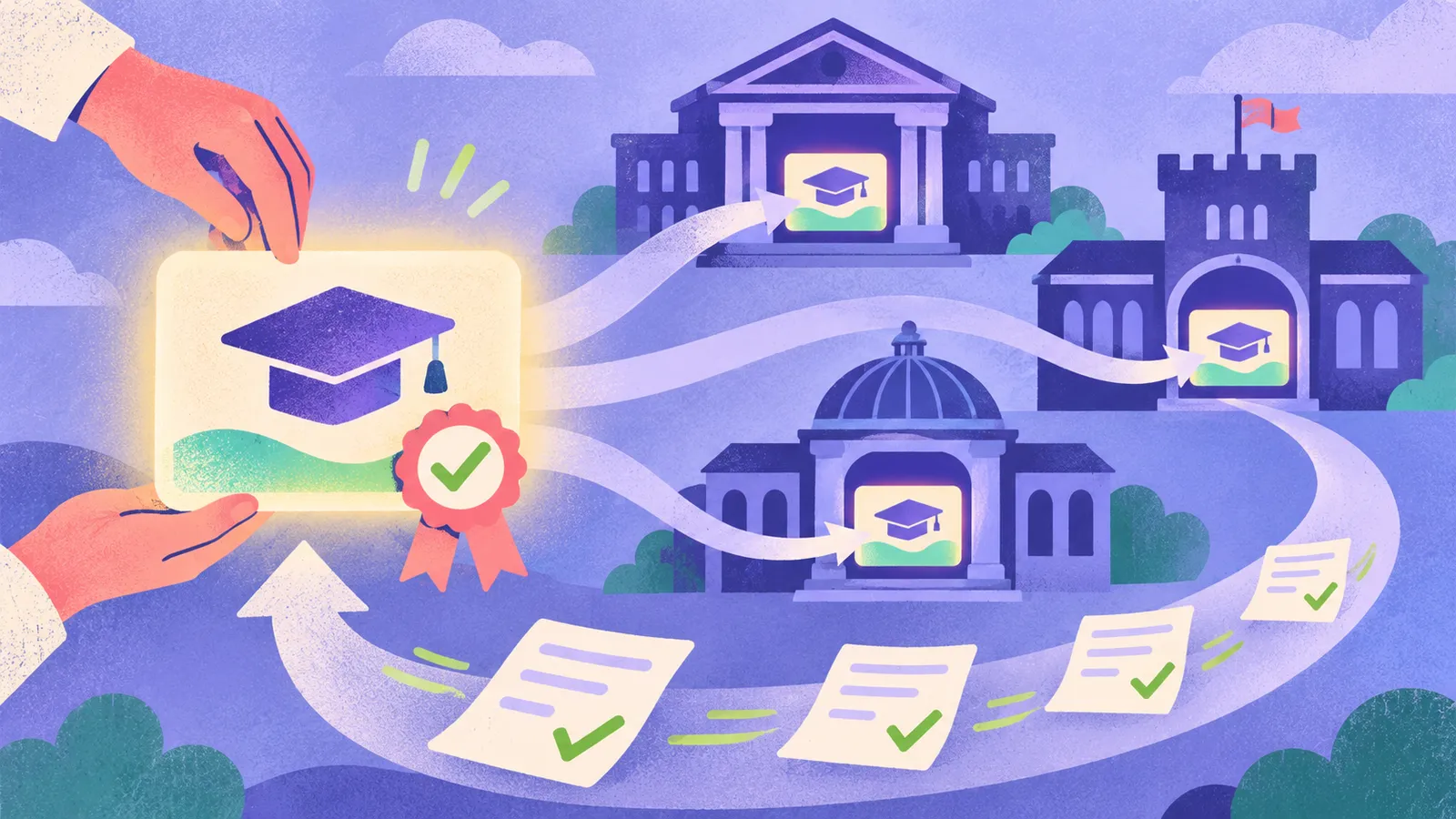
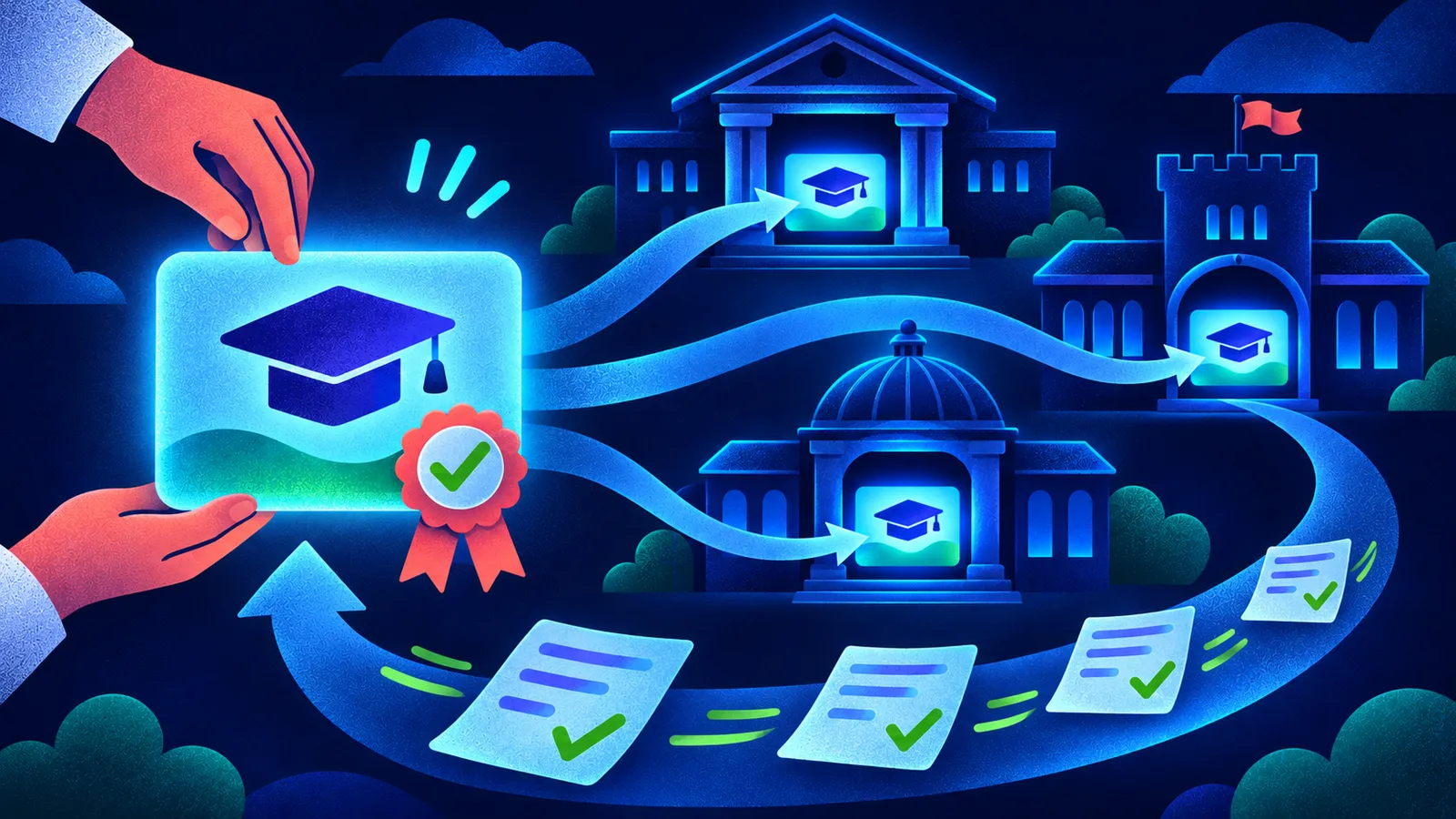
Course providers can now build a course once and run it in any college’s system.
The company is an education company. The people who use its platform include universities, colleges, bootcamps, online course sites and corporate training teams.
They all run courses on a learning management system, the software a college uses for logins, classes and grades. Moodle and Canvas are two of the big ones. A course built inside one of them belonged to it. Moving to another system meant building the course again. Selling the same course to two colleges on different systems meant building it twice.
We built the course platform, a place to write courses that plug into any of those systems.
Providers build courses in the course platform from many kinds of material. They can use interactive lessons made in tools like H5P, Captivate and iSpring, page editors, SQL notebooks, small web apps and imported Moodle course backups. From there they send the course into any system that follows LTI, the common standard that lets course tools plug into a college’s system. When they change the course in the course platform, it changes everywhere it runs.
We built the standard in full, at version 1.3. Students open the content from inside their college’s system, and their grades go back to the college’s gradebook on their own.
We got it certified, so colleges can check it for themselves.
We took the course platform through formal LTI certification with IMS Global, the group that sets the standard. A college’s buying team can now confirm that the course platform works with its system without taking the company’s word for it.
Teachers set a few rules and the quiz builds itself.
We built Qbanks, a question bank that builds tests from rules. A teacher picks the subject, topic, subtopic and difficulty, and chooses a practice quiz or a graded test. The test can stay fixed or draw fresh questions each time. Teachers can preview questions and swap them before sending the test to any connected college, and grades flow back like everything else.
Many colleges share one platform, each in its own space.
Every client gets its own workspace with its own people and content. Roles run from super admin to manager, moderator, subject expert and author. An optional review step keeps content away from students until someone approves it. Error tracking and uptime monitoring watch the live platform.
A new college now means a setup instead of a new build.
The same course can go to a college on Moodle and another on Canvas from one source. Fixing a live course is one edit, however many places it runs. The certificate answers the standards question that holds up many sales to colleges before they start.
The course platform was the first chapter of our partnership with the company. Next, the company asked us to automate its grading, starting with the Queue Manager.
“We came with high-level requirements, not a fully scoped document. The Wednesday team helped us translate our vision into well-defined features, acceptance criteria, and clear deliverables, and they’re clear on the things you don’t think about up front: industry standards, go-to-market, security, uptime. That clarity, even before we started, made a lot of difference.”
VP Strategy and Operations, US edtech company
Want this for your business?
Build your product once and sell it to customers on whatever system they use.
For $999 a month, we run it for you the way we run our own products.